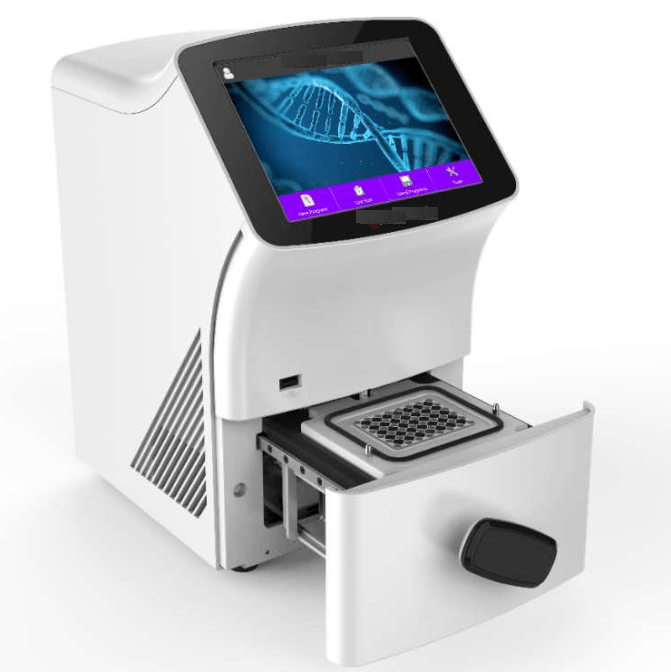
We all know that nowadays pcr technique is using for diagnosis of corona virus
What is PCR?
• PCR, polymerase chain reaction technique. Which is use in many disease diagnostic like HIV, Cancer and many molecular infectious diseases.
• Kary Mullis invented the PCR technique in year 1985.
•PCR is an enzyme-driven process for amplifying short regions of DNA in vitro.
•In PCR, the target DNA is copied by a thermostable DNA polymerase enzyme, in the presence of nucleotides and primers.
•Enzyme use for amplifying DNA is Taq-polymerase, extracted from thermus aquaticus bacteria.
Principle of the PCR
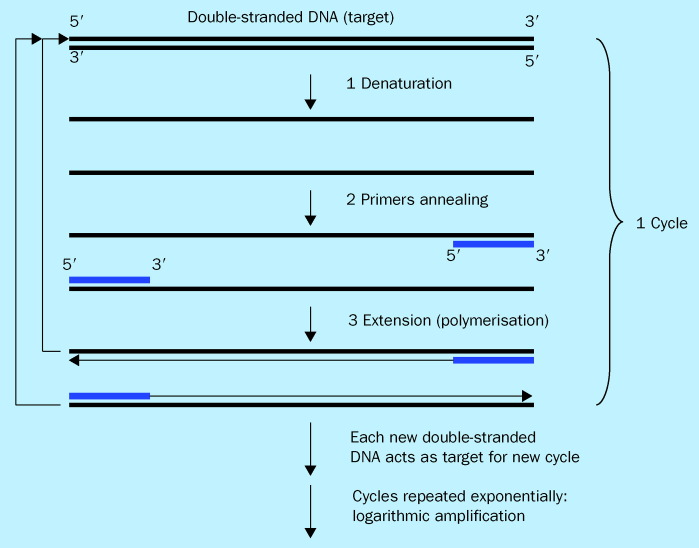

Step:1 Denaturation
It is the step of separation of the two strands of DNA, obtained by raising the temperature of 90°C . The hydrogen bond between two stand get broken , double standard DNA is denatured in to single- stand DNA.
Step:2 Hybridization
Hybridization is carried out at a temperature between 40°-70°C, Decreasing temperature allows the hydrogen bond to reform with complimentary to regions that flank the DNA to be amplified, hybridize more easily.
Step:3 Elongation
72°C is favorable for elongation process. The enzymes Taq-polymerase binds to primed single-stranded DNAs and catalyzes replication using the deoxyribonucleoside triphosphates present in the reaction mixture.
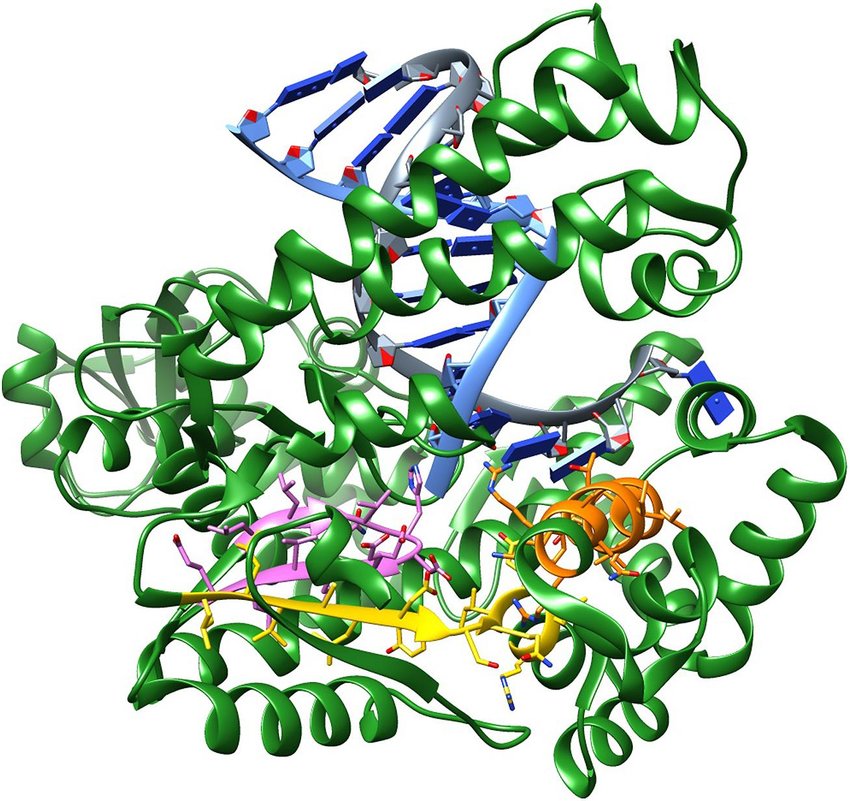
The regions of the template DNA downstream of the primers are thus selectively synthesized. In the next cycle, the fragments synthesized in the previous cycle are in turn matrix and after a few cycles, the predominant species corresponds to the DNA sequence between the regions where the primers hybridize. It takes 20–40 cycles to synthesize an analyzable amount of DNA (about 0.1 μg). Each cycle theoretically doubles the amount of DNA present in the previous cycle.
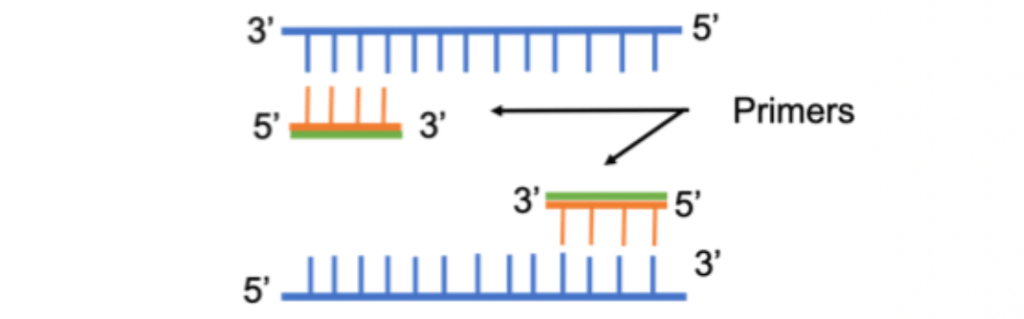
The PCR reaction is more rapid, it lasts only a few hours for amplify any DNA.
 Site Title